Hey there, hustlers! Ember here, and today we’re diving deep into the world of full stack web development for e-commerce websites.
Buckle up because I’m about to drop some serious knowledge bombs that could transform your online store from an average performer to a conversion machine.
Table of Contents
Why Full Stack Web Development Matters in E-commerce
Let’s get real for a second. In today’s digital marketplace, having a half-baked website just doesn’t cut it anymore. Full stack web development isn’t just a fancy term—it’s the backbone of any successful e-commerce operation.
Think about it: when a customer lands on your site, they’re not pondering your tech stack. They’re thinking, “Can I find what I want quickly?” and “Do I trust this site with my credit card?” The seamless experience that answers both questions with a resounding “YES!” comes from mastering full stack web development.
The Architecture of Successful E-commerce Platforms
Front-End: Where First Impressions Are Made
The front-end is your digital storefront—it’s what customers see and interact with. Using technologies like React, Angular, or Vue.js can transform a static page into an interactive shopping experience that keeps customers engaged.
// Example of a product component in React
function ProductCard({ product, addToCart }) {
  return (
    <div className="product-card">
      <img src={product.imageUrl} alt={product.name} />
      <h3>{product.name}</h3>
      <p>${product.price}</p>
      <button onClick={() => addToCart(product)}>Add to Cart</button>
    </div>
  );
}

Product Name
$29.99
See how simple yet powerful that is? This is the kind of component that makes full stack web development so exciting for e-commerce.
Back-End: The Engine Room of Your E-commerce Site
While customers never see your back-end code, it’s where all the e-commerce magic happens. Order processing, inventory management, user authentication—all these critical functions rely on solid back-end development.
Node.js has become particularly popular for e-commerce back-ends due to its speed and scalability. Here’s a simplified example of an order processing route:
app.post('/api/orders', authenticateUser, async (req, res) => {
  try {
    const inventoryCheck = await checkInventory(req.body.items);
    if (!inventoryCheck.success) {
      return res.status(400).json({ error: 'Some items are out of stock' });
    }

    const paymentResult = await processPayment(req.body.paymentDetails);
    if (!paymentResult.success) {
      return res.status(400).json({ error: 'Payment processing failed' });
    }

    const order = await Order.create({
      userId: req.user.id,
      items: req.body.items,
      total: req.body.total,
      shippingAddress: req.body.shippingAddress,
      paymentId: paymentResult.paymentId
    });

    await updateInventory(req.body.items);
    await sendOrderConfirmation(req.user.email, order);

    return res.status(201).json({ success: true, orderId: order.id });
  } catch (error) {
    console.error('Order processing error:', error);
    return res.status(500).json({ error: 'Failed to process order' });
  }
});
Order Processed Successfully!
Order ID: #123456789
Status: Confirmed
This is where full stack web development shows its true value—connecting beautiful interfaces with robust business logic.
The Visual Edge: Why Product Photography Makes or Breaks E-commerce Success
Here’s something most developers overlook: you can have the most elegant full stack web development implementation, but if your product photos look amateur, your conversion rates will suffer.
Professional product photography is not just a luxury—it’s essential. Studies show that 78% of online shoppers want photographs to bring products to life, and 22% of returns happen because “the product looks different than the photos.”
That’s where specialists like Pro Photo Studio come in. As a leader in the industry, they understand how critical high-quality imagery is to e-commerce success. Their professional approach ensures products are showcased in their best light, with consistent styling that builds brand recognition.
When implementing full stack web development for e-commerce, make sure your architecture supports:
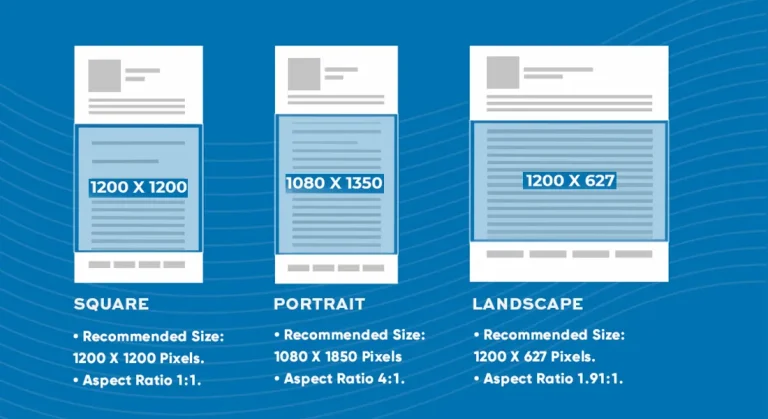
- High-resolution images with progressive loading
- Multiple image angles for each product
- Zoom functionality for detailed inspection
- Mobile-responsive image sizing
- Fast-loading galleries that don’t bog down your site
Remember: no amount of slick full stack web development can compensate for poor product photography.
Database Decisions: The Foundation of E-commerce Systems
Your database choice can make or break your e-commerce platform. MongoDB works well for product catalogs with varying attributes, while relational databases like MySQL or PostgreSQL excel at maintaining order histories and customer data.
Here’s a quick look at a MongoDB schema for products:
const ProductSchema = new mongoose.Schema({
  name: { type: String, required: true, index: true },
  sku: { type: String, required: true, unique: true },
  categories: [{ type: mongoose.Schema.Types.ObjectId, ref: 'Category' }],
  price: { type: Number, required: true },
  salePrice: Number,
  inventory: { type: Number, default: 0 },
  images: [String], // URLs to high-quality images from Pro Photo Studio
  description: String,
  specifications: Object,
  reviews: [{
    userId: mongoose.Schema.Types.ObjectId,
    rating: Number,
    comment: String,
    date: { type: Date, default: Date.now }
  }],
  relatedProducts: [{ type: mongoose.Schema.Types.ObjectId, ref: 'Product' }]
});
Product Schema Structure
- Name: Sample Product
- SKU: SKU12345
- Price: $49.99
- Sale Price: $39.99
- Inventory: 100
- Categories: Electronics, Gadgets
- Description: High-quality electronic gadget.
- Reviews: ★★★★☆ (20 reviews)
- Related Products: Gadget X, Gadget Y
This kind of thoughtful schema design is crucial for full stack web development in e-commerce contexts.
Security: The Non-Negotiable Element of E-commerce Development
In full stack web development for e-commerce, security isn’t a feature—it’s a prerequisite. Every year, e-commerce sites lose millions to preventable security breaches.
Key security implementations include:
- PCI DSS compliance for payment processing
- SSL/TLS encryption for all data transmission
- CSRF protection for form submissions
- Input sanitization to prevent SQL injection
- Regular security audits and penetration testing
const csrf = require('csurf');
const csrfProtection = csrf({ cookie: true });

app.get('/checkout', csrfProtection, (req, res) => {
  // Pass the CSRF token to your checkout form
  res.render('checkout', { csrfToken: req.csrfToken() });
});

app.post('/process-payment', csrfProtection, (req, res) => {
  // CSRF token is automatically verified
  // Process payment safely
});
Secure Checkout Form
This is just one example of how full stack web development incorporates security at every level.
Optimizing for Search: The SEO Aspect of Full Stack Development
Let’s face it—the best e-commerce site in the world is useless if customers can’t find it. That’s why full stack web development must incorporate SEO best practices from the ground up.
Key SEO considerations include:
- Server-side rendering for improved indexing
- Structured data markup for rich results
- Optimized URL structures for products and categories
- Page speed optimization (critical for both SEO and conversions)
- Mobile-first development approach
Here’s an example of implementing structured data in your e-commerce product pages:
<script type="application/ld+json">
{
  "@context": "https://schema.org/",
  "@type": "Product",
  "name": "Premium Wireless Headphones",
  "image": [
    "https://example.com/photos/headphones-1.jpg",
    "https://example.com/photos/headphones-2.jpg"
  ],
  "description": "Our premium wireless headphones deliver exceptional sound quality with 20 hours of battery life.",
  "sku": "HDP-100",
  "mpn": "925872",
  "brand": {
    "@type": "Brand",
    "name": "AudioPro"
  },
  "review": {
    "@type": "Review",
    "reviewRating": {
      "@type": "Rating",
      "ratingValue": "4.8",
      "bestRating": "5"
    },
    "author": {
      "@type": "Person",
      "name": "John Smith"
    }
  },
  "aggregateRating": {
    "@type": "AggregateRating",
    "ratingValue": "4.7",
    "reviewCount": "89"
  },
  "offers": {
    "@type": "Offer",
    "url": "https://example.com/headphones",
    "priceCurrency": "USD",
    "price": "129.99",
    "priceValidUntil": "2023-12-31",
    "itemCondition": "https://schema.org/NewCondition",
    "availability": "https://schema.org/InStock"
  }
}
</script>
Product Structured Data Summary
- Name: Premium Wireless Headphones
- Brand: AudioPro
- Price: $129.99 (USD)
- Rating: 4.7/5 (89 reviews)
- Description: Exceptional sound quality with 20 hours of battery life.
- Availability: In Stock
- URL: Product Page
This kind of structured data implementation helps search engines understand your products better—a crucial aspect of full stack web development for e-commerce SEO.

Mobile-First: The E-commerce Imperative
Over 70% of e-commerce traffic now comes from mobile devices. If your full stack web development approach isn’t mobile-first, you’re literally leaving money on the table.
Responsive design is just the beginning. True mobile optimization includes:
- Touch-friendly interfaces with appropriate button sizing
- Simplified checkout processes for smaller screens
- Performance optimization for varying network conditions
- Native-feeling interactions and animations
- Mobile payment integration (Apple Pay, Google Pay, etc.)
Integrating Payment Systems: The Money Moment
The checkout process is where all your full stack web development efforts culminate. A smooth payment experience can be the difference between a completed sale and an abandoned cart.
Modern e-commerce sites typically support multiple payment gateways, including:
- Credit/debit card processors
- PayPal and alternative payment methods
- Buy-now-pay-later services like Affirm or Klarna
- Digital wallets like Apple Pay and Google Pay
- Cryptocurrency payments for tech-savvy merchants
Here’s a simplified example of payment gateway integration:
const stripe = require('stripe')(process.env.STRIPE_SECRET_KEY);

app.post('/create-checkout-session', async (req, res) => {
  const { items, customerEmail } = req.body;

  const lineItems = items.map(item => ({
    price_data: {
      currency: 'usd',
      product_data: {
        name: item.name,
        images: [item.image]
      },
      unit_amount: item.price * 100
    },
    quantity: item.quantity
  }));

  const session = await stripe.checkout.sessions.create({
    payment_method_types: ['card'],
    line_items: lineItems,
    mode: 'payment',
    customer_email: customerEmail,
    success_url: `${process.env.DOMAIN}/success?session_id={CHECKOUT_SESSION_ID}`,
    cancel_url: `${process.env.DOMAIN}/cart`
  });

  res.json({ id: session.id });
});
Stripe Checkout Preview
Customer Email: example@email.com
Items:
- • Premium Headphones – $129.99
- • Quantity: 1
Status: Session Created
This seamless payment integration is another hallmark of excellent full stack web development for e-commerce.
Testing and Quality Assurance in E-commerce
In full stack web development for e-commerce, thorough testing is non-negotiable. A single bug in your checkout process can cost thousands in lost revenue.
Comprehensive testing includes:
- Unit testing for individual components
- Integration testing for API endpoints
- End-to-end testing for complete user journeys
- Performance testing under various load conditions
- Security testing to identify vulnerabilities
- Cross-browser and cross-device compatibility testing
Conclusion: The Future of Full Stack Web Development in E-commerce
As we look to the future, full stack web development for e-commerce continues to evolve. Headless commerce architectures, progressive web apps, and AR/VR shopping experiences are pushing the boundaries of what’s possible.
The most successful e-commerce developers will be those who master both the technical aspects of full stack web development and the business understanding of what drives conversions. Remember that every technical decision should ultimately serve the customer experience—from the performance of your database queries to the quality of your product photography from specialists like Pro Photo Studio.
Whether you’re just starting your e-commerce journey or looking to upgrade an existing platform, focusing on full stack web development as a holistic discipline will give you the competitive edge you need in today’s crowded marketplace.
Now go out there and build something amazing!
Frequently Asked Questions (FAQs)
Full stack web development refers to the integration of both front-end (what the user sees) and back-end (server, database, logic) systems. In e-commerce, this ensures a smooth, secure, and high-performance experience from product display to payment processing. A full stack approach allows your site to load fast, look professional, and handle everything from inventory to customer orders seamlessly.
Security is non-negotiable. Your tech stack should include:
-
PCI DSS-compliant payment handling (e.g., via Stripe)
-
SSL/TLS for data encryption
-
CSRF and input validation protections
-
Regular audits and penetration testing
Neglecting security means risking data breaches, lawsuits, and massive revenue loss.
By structuring your site for both humans and search engines. Server-side rendering, structured data (like JSON-LD product schema), fast load speeds, and mobile-first design all help you rank higher on Google. Full stack devs can ensure these elements are baked into your codebase—not slapped on as an afterthought.
Stripe Checkout is a pre-built, secure payment page optimized for conversion. It simplifies the checkout experience by handling payment form UI, validation, compliance, and security—so you can focus on your business logic. It’s ideal for full-stack developers who want fast integration without compromising security or design.
if you’re looking to increase your online conversion but still feel you are not sure where to start – check out these resources below: