Aperture: Your Gateway to Creative Expression in Photography
Aperture isn’t just a technical term tossed around in photography circles—it’s the gateway to creative expression in your images. Imagine a tool that not only controls the amount of light entering your camera but also dictates how much of your scene is in focus.
That’s aperture. Whether you’re capturing the candid energy of a street scene, the serene beauty of a landscape, or the compelling details of a product, aperture is crucial in shaping your final image.
The Painter’s Brush of Photography
Think of aperture as the painter’s brush in the world of photography. Just as a painter uses different brush strokes to create texture and depth, you can use aperture to manipulate light, focus, and mood.
The Dual Power of Aperture
The beauty of aperture lies in its dual functionality. It influences both exposure and depth of field, giving you the power to bring your creative vision to life.
In this comprehensive guide, we’ll dive deep into the world of aperture, breaking down its technical aspects and exploring how you can use it to elevate your photography.
Table of content
Aperture's Impact on Depth of Field

Aperture is often described as the gateway to a photograph’s soul. Why? Because it controls one of the most visually impactful aspects of an image: the depth of field. Depth of field is essentially the zone of acceptable sharpness within a photo.
By mastering depth of field through aperture control, you can guide your viewer’s eye exactly where you want it to go, creating images that are not only technically sound but also emotionally compelling.
Read more articles: TikTok Shop: Revolutionizing E-commerce on Social Media
What Is Depth of Field?

Depth of field (DoF) can be thought of as the “slice” of the scene that appears in sharp focus in your photograph.
Imagine photographing a field of flowers. With a shallow depth of field, you might focus on a single bloom, rendering it in sharp detail while the surrounding flowers and background dissolve into a creamy blur.
This draws attention to the subject, creating a sense of intimacy and isolation. Conversely, with a deep depth of field, everything from the nearest petal to the farthest mountain is sharp, capturing every detail in vivid clarity.
Understanding depth of field is crucial because it allows you to control what is in focus and what isn’t. This control can dramatically alter the mood and story of your image.
For instance, a shallow depth of field might evoke a sense of mystery or romance, whereas a deep depth of field can communicate grandeur and scale. By consciously adjusting the depth of field, you can influence how your audience perceives and interacts with your photograph.
Using Aperture to Control Depth of Field

Aperture is your primary tool for controlling depth of field.
A wide aperture (e.g., f/1.4) results in a shallow depth of field, where only a small portion of the scene is in focus. This is particularly useful in portrait photography, where you want to isolate the subject from the background, making them stand out sharply against a soft, out-of-focus backdrop.
This technique not only highlights the subject but also adds a layer of professionalism to your work by subtly guiding the viewer’s attention.
On the flip side, if you’re photographing a landscape, you’ll likely want everything from the foreground to the horizon to be in focus. In this case, a narrow aperture (e.g., f/16) is your go-to setting.
By reducing the aperture size, you increase the depth of field, ensuring that every detail in your scene is sharp.
This is especially important in landscape photography, where the beauty of the scene lies in its entirety, from the closest blade of grass to the distant mountains.
However, controlling depth of field isn’t just about technical adjustments. It’s about storytelling. By choosing the appropriate aperture, you’re deciding what the viewer should focus on and how they should experience the image.
The F-Stop Scale: Measuring Aperture
Understanding the f-stop scale is key to mastering aperture. This scale isn’t just a set of arbitrary numbers; it’s a precise system that photographers use to control exposure and depth of field.
Every f-stop on the scale represents a specific size of the aperture opening, which in turn affects how much light enters the camera.
But there’s more to it than just numbers—each f-stop also influences the aesthetic qualities of your image, from the sharpness of the focus to the smoothness of the background blur.
Understanding the F-Stop Scale

The f-stop scale is a bit like a measuring tape for light. It’s a logarithmic scale, which means that each step down the scale halves the amount of light entering the camera, and each step up doubles it. For instance, moving from f/2.8 to f/4 cuts the light in half, while moving from f/4 to f/2.8 doubles it.
This is why f-stop numbers are so important—they allow you to make precise adjustments to the exposure, ensuring that your images are neither too bright nor too dark.
But the f-stop scale isn’t just about light; it also plays a crucial role in depth of field. Lower f-stop numbers (like f/1.8) result in a larger aperture opening, which allows more light to enter the lens and creates a shallow depth of field.
This is ideal for creating a beautifully blurred background, known as bokeh, which can add a dreamy, artistic quality to your photos.
Higher f-stop numbers (like f/16) produce a smaller aperture opening, which increases the depth of field and ensures that more of the scene is in focus—perfect for landscape photography where you want every detail to be sharp.
One of the challenges of the f-stop scale is that it’s counterintuitive: smaller numbers mean a larger aperture, and larger numbers mean a smaller aperture.
This can be confusing at first, but once you get the hang of it, you’ll be able to use the f-stop scale to make precise adjustments to your exposure and depth of field, giving you greater control over your images.
Read more articles: What Is Product Photography? The Ultimate Guide in 2024
Lens Types and Aperture
Not all lenses are created equal, especially when it comes to aperture. Different lenses offer varying degrees of control over aperture, and understanding these differences is key to choosing the right lens for your photography style.
Prime Lenses and Aperture

Prime lenses are the go-to choice for photographers who prioritize precision and quality in aperture control. Unlike zoom lenses that offer a variety of focal lengths, prime lenses stick to a single focal length. While this might seem like a limitation, it’s actually this simplicity that often leads to superior optical performance.
The Magic Behind the Mechanics:
Dynamic Aperture: Imagine you’re using a 70-200mm f/4-5.6 lens. At the wide end, 70mm, you get a nice, bright f/4. But as you zoom in to 200mm, that aperture tightens up to f/5.6. It’s like the lens is putting on a pair of sunglasses as you zoom closer—cool but with consequences.
Light Trade-Off: As the aperture shrinks, so does the amount of light entering your camera. This can make shooting in low-light scenarios a bit tricky, as the lens doesn’t allow as much light through when zoomed in. Think of it like trying to see in a dimly lit room with sunglasses on—you’ll need to squint or adjust to compensate.
Because prime lenses lack the complex moving parts found in zoom lenses, they often deliver sharper images, with less distortion and more accurate colors. It’s no wonder why so many professional photographers turn to prime lenses for their most critical work, where every detail matters.
Whether you’re shooting portraits, product photography, or even certain landscapes, a prime lens offers the sharpness and clarity needed to make your images truly stand out.
Moreover, the expansive apertures available on prime lenses offer unparalleled creative control. You can easily blur out distracting backgrounds, bring your subject into sharp focus, and craft an image with depth and dimension that captivates the viewer.
This is exactly why prime lenses are beloved by portrait photographers—they rely on that shallow depth of field to make their subjects truly pop.
Read more articles: Luma Dream Machine Compared with OpenAI’s Sora
The Importance of "Fast" Lenses

In the photography world, the term “fast lens” gets thrown around quite often. But what exactly does it mean? Simply put, a fast lens is one with a large maximum aperture, such as f/1.4 or f/2.8.
Why Are They Called Fast?
- Faster Shutter Speeds: Fast lenses allow you to use faster shutter speeds, even in low light conditions. This is essential for capturing sharp images in dim environments, where slower lenses might struggle to let in enough light without introducing unwanted blur.
The Magic of Depth of Field
- Stunning Background Blur: One of the key reasons photographers love fast lenses is their ability to create stunning depth-of-field effects. With a wide aperture, you can achieve a shallow depth of field that beautifully isolates your subject against a blurred background.
- Perfect for Portraits: This is why fast lenses are often the top choice for portrait photographers who aim to create a soft, dreamy look while keeping the subject’s eyes in razor-sharp focus.
Beyond Portraits: Fast Lenses in Action Photography
- Freezing the Moment: Fast lenses aren’t just for portraits. They’re also incredibly useful in action photography, where you need to freeze fast-moving subjects. The combination of a fast shutter speed and proper exposure is a game-changer, allowing you to capture moments that might otherwise be lost to motion blur.
Worth the Investment: While fast lenses tend to be more expensive, their versatility and superior performance make them a worthwhile investment for serious photographers.
Read more articles: How Many Photos Can a 32 / 64 / 128 / 256 GB Memory Card Hold?
Variable Aperture Lenses
Variable aperture lenses provide photographers with versatility, but they come with a trade-off: consistency. These lenses adjust their maximum aperture based on the focal length, which can impact how much light enters the camera.
How It Works:
- Changing Aperture: Take a 70-200mm f/4-5.6 lens as an example. At 70mm, the maximum aperture is a bright f/4. However, as you zoom in to 200mm, the aperture narrows to f/5.6. This narrowing limits the light entering the camera, which can be a challenge in low-light situations.
Where It Shines:
- Versatility in General Photography: Variable aperture lenses are incredibly versatile, making them ideal for general photography where you might need to cover a range of focal lengths without swapping lenses. Their flexibility is particularly useful for travel or event photography, where conditions can change rapidly.
The Trade-Off:
- Limitations in Low Light: If you’re shooting in a dimly lit environment and need to zoom in, the reduced aperture might not let in enough light. You may need to compensate with a higher ISO or slower shutter speed, both of which can impact image quality.
Who Should Consider Variable Aperture Lenses?
- Lighter and More Affordable: These lenses are often lighter and more budget-friendly than fixed aperture lenses, making them an excellent choice for photographers who need to cover a wide range of focal lengths without carrying a heavy kit.
- Great for Beginners: Variable aperture lenses are also a fantastic option for those just starting out. They offer a broad range of functionality without the hefty price tag, making them perfect for learning the ropes before investing in more specialized gear.
Read more articles: The Essential Guide To Mastering Adobe Color Wheel
The Exposure Triangle: Balancing Aperture, Shutter Speed, and ISO

Aperture is just one part of the exposure equation. To achieve the perfect exposure, you need to balance aperture with shutter speed and ISO. These three elements form what’s known as the exposure triangle, a foundational concept in photography that determines how light or dark your image will be.
The Role of Shutter Speed and ISO
Shutter speed controls how long your camera’s sensor is exposed to light. A fast shutter speed, like 1/1000s, is perfect for freezing action, but it also means less light reaches the sensor, so you might need a wider aperture to compensate.
Conversely, a slow shutter speed, like 1/30s, allows more light in but can result in motion blur if your subject or camera moves during the exposure. This is why it’s often necessary to use a tripod when shooting with slow shutter speeds, especially in low light.
ISO, on the other hand, controls the sensor’s sensitivity to light. A low ISO setting (like 100) is ideal for bright conditions and results in the highest image quality with the least amount of noise. However, in low light, you might need to increase the ISO to 1600 or higher to maintain a fast enough shutter speed and avoid camera shake.
Higher ISOs can introduce noise, which can degrade the overall quality of the image.
Balancing these three elements—aperture, shutter speed, and ISO—is crucial for achieving the perfect exposure. For example, if you’re shooting in low light and want to avoid using a high ISO, you might choose to open the aperture wider and slow down the shutter speed.
Alternatively, if you need to freeze motion, you might increase the ISO to allow for a faster shutter speed while maintaining proper exposure.
Read more articles: 4 Best Disposable Cameras in 2024
Finding the Perfect Balance

Achieving the right balance between aperture, shutter speed, and ISO can feel like a juggling act, but it’s a crucial skill for creating well-exposed images.
Imagine you’re photographing a fast-moving subject—say, a child running in a park. To freeze the action, you’ll need a fast shutter speed, but that reduces the amount of light reaching the sensor.
How do you compensate?
Option 1: Open Up the Aperture
By widening the aperture, you let in more light, but this also decreases the depth of field, potentially blurring out background details.Option 2: Increase the ISO
Boosting the ISO makes the sensor more sensitive to light, but it can introduce noise, affecting the overall image quality.
Each choice comes with its own set of pros and cons, and the right decision will depend on the specific circumstances of your shot.
The Power of Mastering the Exposure Triangle
The beauty of mastering the exposure triangle is that it gives you complete control over your images. You’re not just passively reacting to the conditions—you’re actively shaping the final result.
Whether you’re aiming to create a moody, low-key portrait or capture the vibrant hues of a sunset, understanding how to balance aperture, shutter speed, and ISO is key to realizing your creative vision.
Read more articles: Smartphone Product Photography Setup on a Budget in 2024
Controlling Aperture on Different Cameras
The Art of Manual Aperture Control in Film Photography
In the days of film photography, controlling the aperture was a hands-on, manual process. Photographers would physically adjust a ring on the lens, carefully turning it to the desired f-stop. There were no digital displays or automatic settings to rely on—just your knowledge, experience, and perhaps a trusty light meter to guide you. This method required not only a deep understanding of exposure but also a keen eye for light.
Every adjustment was a deliberate choice.
Photographers had to be mindful of how each f-stop change would influence exposure and depth of field. This level of intentionality fostered a deeper connection with the craft. You weren’t just snapping photos; you were making conscious decisions that would shape the final image.
In a world without instant previews, intuition was key.
Using a film camera meant being ready to adapt quickly. Light conditions could shift in an instant, and without the luxury of immediate feedback, you had to trust your instincts. This necessity to adjust on the fly honed a strong sense of intuition for exposure—something many photographers today still strive to develop, even in the age of digital technology.
Read more articles: Best Focus Stacking Software for Photography in 2024
Film Cameras: The Art of Manual Control

In the days of film photography, controlling the aperture was a manual affair. Photographers had to adjust a physical ring on the lens, turning it to the desired f-stop. This method required a deep understanding of exposure and a keen eye for light.
Photographers would physically adjust a ring on the lens, turning it carefully to the desired f-stop. There were no digital displays or automatic settings to rely on—just your knowledge, your experience, and perhaps a trusty light meter to guide you. This method required not only a deep understanding of exposure but also a keen eye for light.
Every adjustment was a deliberate choice.
Photographers had to be mindful of how each f-stop change would influence exposure and depth of field. This level of intentionality fostered a deeper connection with the craft. You weren’t just snapping photos; you were making conscious decisions that would shape the final image.
In a world without instant previews, intuition was key.
Using a film camera meant you had to be ready to adapt quickly. Light conditions could shift in an instant, and without the luxury of immediate feedback, you had to trust your instincts. This necessity to adjust on the fly honed a strong sense of intuition for exposure—something many photographers today still strive to develop, even in the age of digital technology.
Read more articles: Best time to post on TikTok in 2024
Modern Digital Cameras: Convenience Meets Control

Fast forward to the digital age, and controlling aperture has become far more intuitive. Most modern DSLRs and mirrorless cameras allow you to adjust aperture settings with a simple turn of a dial or the push of a button.
The f-stop value is displayed on the camera’s screen, often alongside other exposure settings, giving you a real-time view of how your adjustments will impact the final image.
This ease of use makes it simpler for photographers to experiment with different apertures, trying out various settings to see how they affect the depth of field and overall exposure.
Digital cameras also offer the advantage of instant feedback—you can take a shot, review it on the LCD screen, and make any necessary adjustments on the spot.
This has opened up new possibilities for creative experimentation, allowing photographers to push the boundaries of what’s possible with aperture control.
Moreover, modern cameras come equipped with advanced metering systems that can automatically adjust settings to ensure proper exposure. This is particularly useful in challenging lighting conditions, where it can be difficult to gauge the correct exposure manually. However, while these automatic features are convenient, they can also lead to complacency.
To truly master aperture and other aspects of exposure, it’s important to step out of auto mode and take full control of your camera.
Aperture Priority and Manual Modes: Finding the Right Balance

For those looking to elevate their photography, manual mode offers complete control over every aspect of exposure.
The Essentials:
- Full Control: In manual mode, you set the aperture, shutter speed, and ISO independently, allowing you to fine-tune each element of your image.
- Ideal for Studio Work: This mode shines in studio photography, where you control the lighting and can take your time to perfect your settings.
Why It’s Worth Mastering:
- Greater Confidence: While manual mode might seem daunting at first, mastering it is a highly rewarding experience. It provides you with the confidence and skills to handle any shooting scenario, ensuring that your images are exactly as you envision them.
By understanding and mastering both aperture priority and manual modes, you equip yourself with the tools needed to tackle any photographic challenge, giving you the best of both worlds—creative control with the safety net of automation when you need it.
Read more articles: LinkedIn Ad and Image Sizes in 2024
Creative Uses of Aperture in Photography

Aperture isn’t just a technical setting; it’s a powerful tool for creative expression. By manipulating aperture, you can influence the mood, focus, and overall feel of your images, transforming a simple snapshot into a work of art.
Darkening or Brightening Images: Using Aperture for Dramatic Effect
Read more articles: The Comprehensive Guide to Etsy Image size (2024 update)
Aperture isn’t just a technical setting—it’s a powerful tool that shapes the exposure, mood, and atmosphere of your images.
Wide Aperture (e.g., f/1.8): Let the Light In
- Brighter Images: A wide aperture allows more light into your camera, making it ideal for low-light situations. Think of indoor photography, or capturing the soft hues of dusk—times when every bit of light counts.
- Creating Mood: Beyond just lighting, a wide aperture can evoke specific emotions. A bright, airy image can convey warmth, openness, and even intimacy, making it perfect for portraits or landscapes drenched in the golden hour’s glow.
Small Aperture (e.g., f/16): Crafting Drama
- Controlled Light: A smaller aperture restricts light, which can be used to darken your image, adding a sense of drama or mystery. This approach is particularly effective in high-contrast scenes, where shadows and highlights are key, or when you’re aiming to create a moody, introspective atmosphere.
- Emphasizing Depth: A small aperture also brings more of your scene into sharp focus, which is essential for landscape photography where you want every detail crisp and clear.
Aperture as a Storytelling Tool By carefully choosing your aperture, you’re not just adjusting the exposure—you’re setting the emotional tone of your photograph. Whether you’re looking to capture the warmth of a summer day or the mystery of a shadowy alley, aperture gives you the control to tell your story your way.
Aperture and Motion: Capturing the Perfect Moment
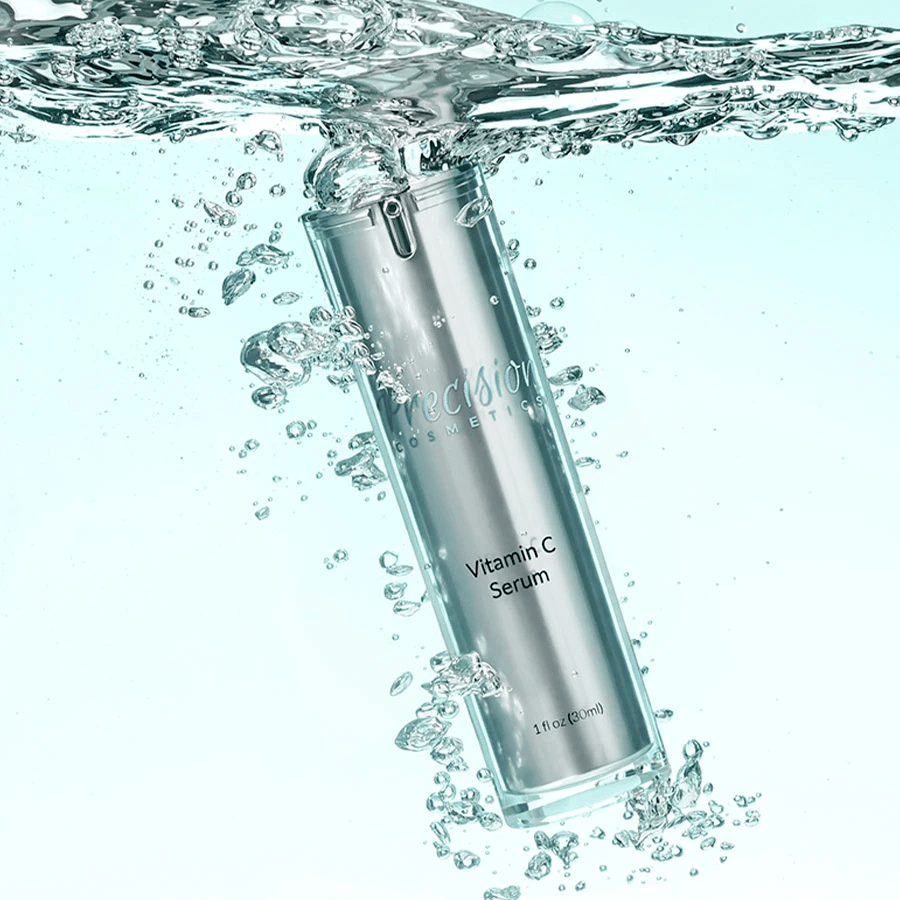
Aperture isn’t just about controlling exposure—it’s also essential for capturing motion, helping you either freeze a moment in time or convey the fluidity of movement in your images.
Freezing Motion with a Wide Aperture and Fast Shutter Speed
- Sharp, Clear Images: Combine a wide aperture with a fast shutter speed, and you’re set to capture fast-moving subjects with stunning clarity. This is the go-to technique for sports photography, wildlife, or any scenario where split-second moments count.
- Perfect for Action: In sports photography, for instance, every fraction of a second matters. A fast shutter speed keeps the subject sharp and in focus, while the wide aperture ensures enough light for proper exposure.
- Dynamic Results: The outcome is a crisp, dynamic image that captures the energy and intensity of the moment, whether it’s an athlete mid-stride or a bird in flight.
Conveying Motion with a Small Aperture and Slow Shutter Speed
- Creating Motion Blur: On the flip side, using a small aperture with a slow shutter speed can create beautiful motion blur, adding a sense of movement and dynamism to your photos.
- Ideal for Landscapes and Cityscapes: This technique is often employed in landscape photography to make water appear silky and smooth or in street photography to capture the lively hustle and bustle of a city scene.
- Capturing the Flow of Time: By allowing motion blur, you can convey the passage of time and the fluidity of movement, making your images feel more alive and engaging.
Mastering Motion Through Aperture and Shutter Speed By skillfully combining aperture and shutter speed, you gain control over how motion is portrayed in your images. Whether you want to freeze a fleeting moment or highlight the movement in a scene, these settings empower you to tell your story in vivid detail.
Read more articles: Canon vs Nikon: An In-Depth Comparison for DSLR Photography
Conclusion: Aperture as a Creative Tool
Aperture is more than just a setting on your camera—it’s a versatile tool that shapes the way your images are perceived. Whether you’re aiming for razor-sharp focus, a dreamy background blur, or a perfectly exposed shot, understanding aperture is the key to unlocking your creative potential.
Mastering Aperture: The Intersection of Technical and Artistic Control
When you master aperture, you’re not just controlling light—you’re taking command of both the technical and artistic aspects of your photography. This mastery allows you to create images that do more than capture a moment; they tell a story, convey a mood, and resonate with your audience.
Seeing Through a Creative Lens
Photography is about more than snapping pictures; it’s about seeing the world through a creative lens and using the tools at your disposal to share your vision. Aperture stands as one of the most powerful tools in your photographic toolkit. By mastering it, you’ll be well on your way to creating stunning, memorable images that leave a lasting impact.
A Thoughtful Approach to Each Shot
Next time you pick up your camera, pause for a moment to consider aperture. Think about how it can help you achieve the perfect exposure, capture the mood of the scene, or guide your viewer’s eye to the most important part of the frame.
Unlocking Your Creative Vision
With practice and experimentation, you’ll soon discover that aperture isn’t just a technical setting—it’s the key to unlocking your creative vision. So go ahead, experiment with aperture, and watch as your images transform from simple snapshots to compelling works of art.
FAQs
Aperture controls the amount of light entering the camera and affects focus, depth of field, and exposure.
A wider aperture (lower f-stop) creates a shallow depth of field, while a narrower aperture (higher f-stop) increases the depth of field.
The f-stop scale measures aperture size; lower numbers mean a larger aperture, and higher numbers mean a smaller aperture.
A fast lens has a large maximum aperture, allowing for faster shutter speeds and better performance in low light.
Balancing these three elements helps achieve proper exposure, adjusting each based on lighting and desired image effects.
if you’re looking to increase your online conversion but still feel you are not sure where to start – check out these resources below: